The Hidden Dangers of Type 2 Diabetes: Causes, Symptoms & How to Beat It Naturally

Book Your Consultation

Type 2 Diabetes

Living with Type 2 Diabetes doesn’t have to mean a life of medications and constant dietary restrictions. In fact, with the right knowledge and changes to your daily routine, you can naturally support your body, improve insulin sensitivity, and even reverse insulin resistance. Thousands of people are now managing their blood sugar without relying entirely on medications—and so can you. In this blog, we’ll uncover the real causes of Type 2 Diabetes, early warning signs, and natural management strategies that promote long-term health and healing.


What is Type 2 Diabetes?

Type 2 Diabetes is a metabolic disorder where the body becomes resistant to insulin or doesn’t produce enough of it to maintain normal blood sugar levels. Unlike Type 1 Diabetes—which is an autoimmune condition—Type 2 is primarily lifestyle-related, although genetics also play a role. Over time, consistently high blood sugar levels damage organs, blood vessels, and nerves, increasing the risk of heart disease, kidney failure, and vision loss. The good news? It’s manageable—and in many cases, reversible.


Causes of Type 2 Diabetes

Understanding the root causes of Type 2 Diabetes helps in targeting the problem at its core. While family history and age increase the risk, your daily habits have a much stronger impact. Major causes include:

  • Sedentary lifestyle with little to no physical activity
  • Poor dietary choices high in sugar, trans fats, and refined carbs
  • Chronic stress leading to high cortisol levels and insulin resistance
  • Excess abdominal fat that disrupts hormonal balance
  • Inadequate sleep or poor sleep hygiene
  • Gut microbiome imbalance linked to inflammation and poor glucose regulation

💡 Pro Tip: Chronic stress increases cortisol, which elevates blood sugar and makes your cells more insulin-resistant over time. Prioritizing stress management is crucial.


Early Symptoms You Shouldn’t Ignore

Type 2 Diabetes often develops silently over the years. Here are common warning signs you should watch out for:

  • Persistent fatigue or energy crashes after meals
  • Frequent urination, especially at night
  • Unusual thirst or constant hunger
  • Blurred vision
  • Slow-healing cuts or frequent infections
  • Dark patches around the neck or underarms (acanthosis nigricans)

Don’t wait for a formal diagnosis—early lifestyle intervention can prevent the condition from progressing.


1. Focus on Whole, Real Foods

  • Replace refined carbs and sugars with complex carbs like quinoa, oats, and millets
  • Eat plenty of vegetables rich in fiber and antioxidants
  • Include proteins like lentils, tofu, eggs, and fish
  • Healthy fats from ghee, avocado, and seeds can stabilize blood sugar
  • Natural remedies like fenugreek seeds, bitter gourd juice, and cinnamon help reduce glucose spikes

2. Movement is Medicine

  • A 20–30 minute walk after meals can significantly lower post-meal glucose
  • Strength training 2–3 times a week improves muscle insulin sensitivity
  • Yoga and stretching support nervous system regulation and reduce inflammation

3. Master Stress & Sleep

  • Deep breathing, guided meditation, or journaling lowers cortisol
  • Aim for 7–8 hours of quality sleep to allow insulin regulation overnight
  • Avoid screen time 1 hour before bed and create a sleep-friendly environment

4. Track & Adjust

  • Regularly monitor your HbA1c, fasting glucose, and post-meal sugar
  • Keep a food, mood, and glucose log to understand your body
  • Consult with a certified diabetes educator to personalize your nutrition and movement plan

🔗 External Resource: Learn more from American Diabetes Association


Do You Always Need Medication?

Not always. While some people need medications initially, Type 2 Diabetes can often be reversed or managed naturally through sustainable lifestyle changes. Many clients have been able to reduce or even stop their medications over time—with their doctor’s supervision—by embracing natural interventions. Important: Never stop or change your prescribed medication without professional guidance.

Real Case Study: Reversing Diabetes Holistically

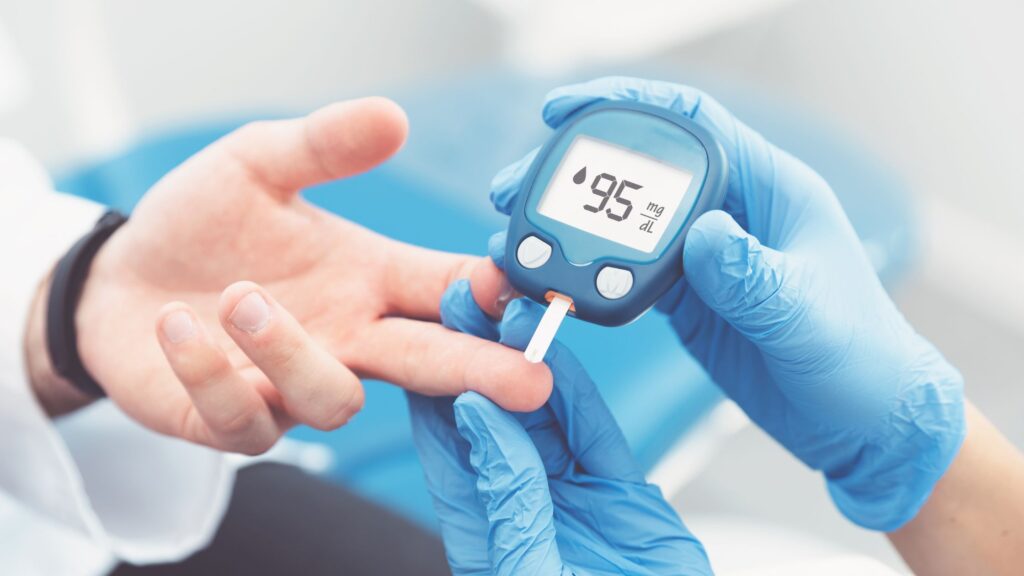
One of our inspiring clients, a 42-year-old woman with Type 2 Diabetes and PCOS, came to us exhausted and frustrated. Her HbA1c was 7.8%, and she relied heavily on metformin. Through a 4-month personalized plan involving nutrition coaching, mindful movement, and hormone-balancing strategies, she reduced her HbA1c to 5.6%, improved her insulin sensitivity, and discontinued her medication under her doctor’s supervision. Most importantly, she felt more energetic, clear-minded, and in control of her health.


Final Thoughts

Type 2 Diabetes is not a life sentence. By addressing root causes and embracing natural strategies, you can take control of your blood sugar, your energy, and your long-term health. Small, consistent steps lead to big changes. Whether you’re newly diagnosed or have been living with diabetes for years, healing is possible—naturally.

Ready to take control of your health?
Book your FREE Diabetes Reversal Consultation Todaywith our certified Diabetes Educator Or DM us on Instagram @dr.ruchitamehta

Book Your Consultation


Related Posts

March 15, 2026

Diabetes Summer Fatigue: Why Hot Weather Drains Your Energy and Spikes Blood Sugar Many people with diabetes notice something strange during summer. You feel more: • tired• sleepy• dehydrated• low energy And at the same time… Your blood sugar becomes harder to control. This condition is often called Diabetes Summer Fatigue. It happens because extreme heat affects metabolism, hormones, hydration, and insulin sensitivity. Let’s break down the real reasons. 1. Dehydration Slows Glucose Regulation When temperatures rise, your body loses more fluids through sweat. This causes: • reduced blood volume• thicker blood concentration• slower glucose clearance The result? Blood sugar readings become higher than usual. Even mild dehydration can increase glucose levels. 2. Electrolyte Loss Causes Energy Crashes Sweating removes important minerals like: • sodium• potassium• magnesium These electrolytes are essential for: • nerve function• muscle energy• insulin signaling Low electrolytes often lead to: • weakness• headaches• fatigue• sugar cravings Many people misinterpret this fatigue as low sugar and eat sweets unnecessarily. 3. Heat Reduces Physical Activity In extreme heat, people naturally reduce movement. Less walking and exercise means: • lower glucose utilization• increased insulin resistance Muscles normally burn glucose for energy. But when physical activity drops, blood sugar remains higher in circulation. 4. Poor Sleep During Hot Nights Hot summer nights disrupt sleep quality. You may experience: • night sweating• restlessness• shallow sleep Poor sleep increases stress hormones like cortisol. Cortisol increases glucose production in the liver. That means higher fasting blood sugar the next morning. 5. Appetite Hormone …

March 4, 2026

Summer Drinks & Diabetes: 8 “Healthy” Beverages That Secretly Spike Blood Sugar When temperatures rise, so does liquid sugar intake. Most people think: “It’s liquid. It’s light.” Wrong. Liquid carbohydrates absorb faster than solid food. That means faster glucose spikes. Let’s break down the biggest summer drink traps. 1️⃣ Fruit Juices (Even Fresh Ones) Orange juice. Mango juice. Watermelon juice. Problem: One glass can spike blood sugar more than eating the whole fruit. Whole fruit = slower digestion.Juice = glucose surge. 2️⃣ Coconut Water It’s natural. But it still contains: For some diabetics, small portions are fine. For others, especially with poor control, it causes noticeable spikes. Don’t assume “natural” means neutral. 3️⃣ Sweet Lassi & Flavored Buttermilk Popular in summer. Often contains: Even salted versions sometimes contain hidden sugar in packaged forms. Check labels. 4️⃣ Energy Drinks Marketed as hydrating. Reality: Caffeine + sugar + dehydration = unstable readings. Bad combination. 5️⃣ Iced Tea & Cold Coffee Most commercial versions contain: Even “light” versions can surprise you. Liquid sugar bypasses satiety signals. 6️⃣ Sugar-Free Drinks (Hidden Problem) They don’t spike glucose directly. But they may: Artificial sweeteners aren’t automatically harmless. Use moderately. 7️⃣ Sports Drinks Designed for endurance athletes. Not casual summer hydration. Contain: Unless you’re exercising intensely for long periods, you don’t need them. 8️⃣ Flavored Packaged Waters Often contain: Marketing says “vitamin water.” Reality: sugar water. Why Liquid Sugar Is Worse in Summer Liquids: In summer, people sip all day. Small repeated spikes = higher daily average …

March 3, 2026

Heat Waves & Diabetes: 10 Dangerous Summer Triggers That Spike Blood Sugar Regular summer heat is one thing. A heat wave is different. During heat waves, blood sugar instability becomes more common — and sometimes dangerous. If your readings suddenly become unpredictable during extreme temperature spikes, this isn’t coincidence. It’s biology. 1️⃣ Severe Dehydration Raises Blood Glucose Heat waves increase: When plasma volume drops, glucose becomes more concentrated. The meter shows higher numbers even if food intake hasn’t changed. Severe dehydration can also reduce kidney glucose clearance — worsening hyperglycemia. 2️⃣ Cortisol Surges in Extreme Heat Your body sees extreme heat as stress. Stress activates: These hormones tell your liver to release stored glucose. That means higher blood sugar — even without extra carbs. Heat is a metabolic stressor, not just discomfort. 3️⃣ Insulin Absorption Becomes Unpredictable Heat increases skin blood flow. Injected insulin may: Or, if insulin has been exposed to high temperatures, it may lose potency — leading to unexplained highs. Both can happen in the same week. 4️⃣ Electrolyte Imbalance Worsens Fatigue & Cravings Heavy sweating removes: Low electrolytes can cause: Some people mistake heat fatigue for low sugar and overcorrect with carbs. That creates spikes. 5️⃣ Appetite Suppression → Irregular Eating During heat waves: Skipping meals can destabilize medication timing. Sugary beverages cause rapid glucose spikes. Both patterns disrupt control. 6️⃣ Sleep Disruption Raises Fasting Sugar Extreme heat at night reduces: Poor sleep increases: One bad hot night can affect next-day readings significantly. 7️⃣ Reduced Physical …

February 26, 2026

Summer Dawn Phenomenon in Diabetes: 7 Shocking Reasons Morning Sugar Spikes Worsen in Hot Weather If your fasting sugar is higher in summer… And you swear you didn’t eat differently… You’re not imagining it. The Summer Dawn Phenomenon in Diabetes is real. And it’s not just about carbs. It’s about hormones + heat + hydration + sleep. Let’s break it down. 1️⃣ What Is the Dawn Phenomenon? Normally, between 4 AM and 8 AM: Your body releases: These hormones signal the liver to release glucose. That’s natural. But in summer, this effect intensifies. 2️⃣ Heat Increases Nighttime Cortisol Hot nights = poor sleep. Poor sleep = higher stress response. Higher stress response = higher early morning cortisol. Cortisol directly raises blood sugar. So your fasting glucose rises before breakfast. You blame dinner. It was sleep + temperature. 3️⃣ Dehydration Concentrates Morning Glucose You lose fluids overnight through: In summer, sweating increases. Mild dehydration by morning causes: Same glucose amount. Less plasma volume. Higher number on the meter. 4️⃣ Summer Sleep Fragmentation Hot nights reduce: When sleep is disrupted: Even one bad night can raise fasting sugar by 10–20 mg/dL. Multiply that over weeks. You think control is failing. It’s sleep architecture. 5️⃣ Air Conditioning Paradox Here’s something rarely discussed. Going from: Triggers mild stress responses. Frequent temperature shock can stimulate: Your body reacts to instability. 6️⃣ Late Summer Eating Patterns Summer often changes routines: Late eating worsens morning glucose due to: Even healthy food eaten late can elevate fasting sugar. …

February 26, 2026

Diabetes Summer Survival Guide: 9 Powerful Ways Heat Secretly Spikes Blood Sugar Diabetes Summer Survival is not just about drinking water. Summer heat changes: If your numbers behave differently in summer, you’re not imagining it. Your metabolism reacts aggressively to heat. Let’s break down why. 1️⃣ Dehydration: The Silent Summer Glucose Spike In hot weather: Concentrated blood = higher glucose readings. Even if you eat the same. Worse: High glucose causes more urination → more dehydration → even higher sugar. This is a vicious loop. Diabetes summer survival starts with proactive hydration. 2️⃣ Heat Stress Raises Cortisol Extreme heat activates stress hormones: These hormones signal your liver to release glucose. So even if you skip dessert… Your body may spike sugar on its own. Heat is a metabolic stressor. 3️⃣ Faster Insulin Absorption in Summer Heat causes: If you inject insulin: It absorbs faster in summer. That can lead to: This is one of the most overlooked aspects of diabetes summer survival. 4️⃣ Summer Exercise Can Trigger Hypoglycemia People often increase: But heat + activity = double glucose drop risk. Muscles pull glucose efficiently. Add faster insulin absorption and dehydration. You get sudden lows. Plan summer workouts carefully. 5️⃣ Appetite Changes in Hot Weather Some people: Others: Liquid sugars are absorbed quickly. Cold beverages often contain hidden carbs. Hydration ≠ sugary drinks. 6️⃣ Insulin Storage Risks in Summer Insulin is temperature-sensitive. Extreme heat can: Never leave insulin: Use cooling pouches when traveling. Diabetes summer survival depends on medication stability. 7️⃣ …

February 15, 2026

Diabetes & Humidity: How Moist Air Quietly Disrupts Blood Sugar Control Everyone talks about heat. Few talk about humidity. But if you live in monsoon climates or coastal cities, you’ve probably noticed: That’s not coincidence. Humidity changes how your body cools, circulates blood, and regulates glucose. And if you have diabetes, that matters more than you think. 1️⃣ Why Humidity Feels Worse Than Heat Heat alone isn’t the main problem. Humidity blocks evaporation of sweat. Sweat can’t cool you properly. Your body stays in a mild stress state for longer. Stress → cortisol → glucose release. Even mild chronic environmental stress can push numbers up. 2️⃣ Humidity, Dehydration & “Hidden Thick Blood” In humid weather: You may not feel thirsty. But fluid loss still happens. Dehydration causes: Many people think only dry heat dehydrates. That’s wrong. Humid heat dehydrates silently. 3️⃣ Circulation Changes in High Humidity Humidity causes: For diabetics with circulation issues, this can: If your insulin seems “stronger” some days in humid weather — this may be why. 4️⃣ Humidity & Sleep Quality High moisture levels disturb: Poor sleep increases: One humid night can increase fasting glucose next morning. And you blame dinner. Wrong culprit. 5️⃣ Fungal Infections & Skin Stress High humidity increases risk of: Infections raise blood sugar. Even minor inflammation increases insulin resistance. This is why monsoon season often correlates with unstable readings. 6️⃣ Glucose Meter & Strip Sensitivity Humidity can affect: Moisture contamination may distort readings. If numbers look strange, check storage conditions first. …

Leave a Reply

Your email address will not be published. Required fields are marked *