
Diabetes Decision Fatigue: Why Constant Food Choices Are Secretly Raising Your Blood Sugar Discover how Diabetes Decision Fatigue silently increases blood sugar through cortisol, mental overload, and poor insulin response. Learn simple strategies to reduce glucose spikes by fixing decision stress—not diet alone. Table of Contents Diabetes Decision Fatigue: The Shocking Mental Trap That Raises Blood Sugar Without Food Most diabetics obsess over what they eat. Very few realise this uncomfortable truth: Your blood sugar can rise simply because your brain is exhausted. No sweets.No carbs.No cheating. Just mental overload. Welcome to Diabetes Decision Fatigue — a silent, modern trigger of insulin resistance that almost no one talks about, yet millions experience daily. 1. What Is Diabetes Decision Fatigue? Decision fatigue is a neurological state where your brain becomes overwhelmed by too many choices. For a diabetic, this looks like: Every choice consumes glucose and neurotransmitters in the brain. When the brain gets tired, it activates stress hormones — and that directly affects blood sugar. 2. The Brain–Blood Sugar Connection (Simple Biology) Your brain runs almost entirely on glucose. When decision-making increases: Result? 👉 Blood sugar rises without food intake This is why some people see unexplained spikes during stressful or mentally busy days. 3. How Mental Overload Raises Glucose (Even Without Eating) Here’s the hidden pathway: Mental overload → cortisol spike → insulin resistance → liver glucose dump Cortisol’s job is survival. When your brain feels overwhelmed, cortisol assumes danger and commands the liver to release glucose — just …
Blog Page
Diabetes Cold-Weather Hack:The Surprising Winter Habit That Improves Insulin Resistance Most winter diabetes tips talk about “exercise more,” “eat soup,” or “avoid sweets.”That’s basic advice—everyone knows it. What almost nobody talks about is this: Your body actually has a built-in winter mechanism that can improve insulin sensitivity — if you activate it correctly. This isn’t diet advice.It isn’t exercise advice.It’s physiology. Today, you’ll learn the hidden diabetes cold-weather hack that leverages temperature, brown fat, circadian signals, and metabolic micro-movement to stabilize glucose in winter. TABLE OF CONTENTS 1. What Really Happens to Blood Sugar in Winter Most diabetics see these changes during winter: But the shocking part?Cold temperature should make your body burn more glucose — if the body’s thermogenic response is activated. Most people never activate it. 2. Diabetes Cold-Weather Hack: Why Cold Temperature Can Improve Insulin Sensitivity Research shows that mild cold exposure increases insulin sensitivity by 43% in some adults.(Reference: Diabetes Journal & metabolic temperature studies) Why? Because mild cold forces your body to use stored glucose and fats to generate heat.This is called thermogenesis. The problem: Most people overheat themselves in winter with too much clothing, high room temperature, and zero outdoor exposure — blocking thermogenesis completely. You’re literally shutting off your body’s natural winter glucose-burning switch. 3. Brown Fat Activation: The Metabolic Furnace You Aren’t Using Brown fat isn’t “fat” — it’s a metabolically active tissue. It: Brown fat activates when body temperature drops slightly. You don’t need ice baths — just 5–15 minutes of …
Diabetes Thermogenesis Hack:9 Powerful Winter Biohacks That Boost Insulin Sensitivity Naturally Discover the Diabetes Thermogenesis Hack — a science-backed winter strategy using cold exposure, brown fat activation, shivering therapy, heat–cold contrast and thermogenic routines to improve insulin sensitivity naturally. Perfect for diabetics struggling with winter glucose spikes. Table of Contents Diabetes Thermogenesis Hack: 9 Powerful Winter Biohacks That Boost Insulin Sensitivity Naturally Winter feels soft, cozy, comforting.But metabolically? It’s a battlefield. Most people see their blood sugar rise during the colder months — even when their diet doesn’t change. And almost every diabetic wonders: “Why is my sugar always higher in winter?” Here’s the shocking truth: ✔ Winter can increase insulin resistance, OR… ✔ Winter can supercharge insulin sensitivity — IF you activate your brown fat correctly. This is the basis of the Diabetes Thermogenesis Hack — a powerful, science-backed strategy combining cold exposure, contrast therapy, metabolic timing and winter biology to control blood sugar naturally. This is not a diet plan. This is physiology. H2 – What Is the Diabetes Thermogenesis Hack? The Diabetes Thermogenesis Hack is a seasonal metabolic approach that uses: …to improve insulin sensitivity WITHOUT changing medication or doing extreme workouts. It’s a biohacking protocol for diabetics, designed specifically for winter. H2 – Why Winter Changes Your Glucose Levels Most diabetics notice the “Winter Spike.”Here’s why: 1. Lower physical activity → less glucose being used 2. Less sunlight → low Vitamin D → higher insulin resistance 3. More cravings → brain asks for sugar in cold …
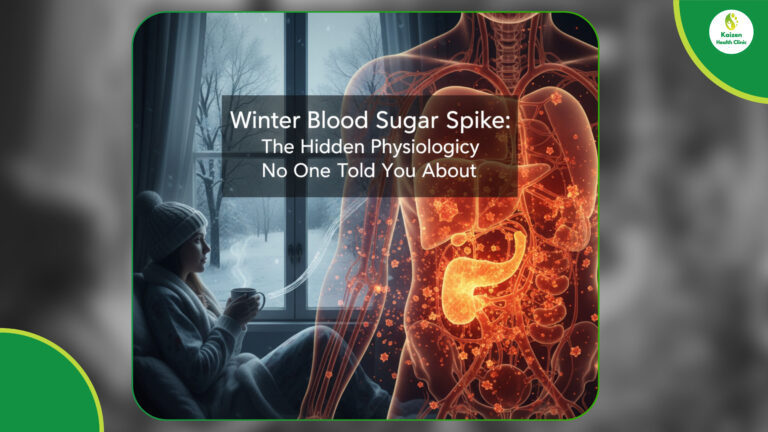
Winter Blood Sugar Spike: The Hidden Physiology No One Told You About Why Winter Blood Sugar Spike Happens — And Why It’s NOT Just ‘Cold Weather’ Most people think winter affects diabetes because “we move less” or “eat more gajar ka halwa.” That’s surface-level.The real reason your glucose becomes unpredictable in winter is deep hormonal and metabolic shifts your body makes for survival. Let’s break the myths and show you what actually happens. 1. Low Winter Sunlight = Low Vitamin D = Higher Insulin Resistance Winter Blood Sugar Spike begins with a simple chain reaction: Less sunlight Lower Vitamin D Reduced insulin receptor activity Higher blood glucose even with the same diet Vitamin D works like a key that unlocks insulin sensitivity.In winter, that key goes missing. Fix: 15–20 mins sunlight before 10 AM Vitamin D3 + K2 (consult your doctor) Fat-rich foods with Vitamin D absorption (eggs, ghee that’s not overheated) 2. Brown Fat “Switch-Off” Raises Fasting Blood Sugar Winter SHOULD activate brown fat — the fat that burns calories.But urban lifestyle destroys its activation. Brown fat activates when: You get natural cold exposure Your neck, shoulders, upper back sense temperature drops You avoid overheating your environment But what do we do? Hot showers Heavy blankets Room heaters ZERO cold exposure→ Brown fat stays inactive → metabolism slows → Winter Blood Sugar Spike. Fix: 30–60 seconds cold water exposure after a warm bath Keep room slightly cool (not warm like a furnace) Morning face dips in cold water (activates …
The Winter Diabetes Slowdown: How Cold Weather Secretly Raises Your Blood Sugar (and How to Fix It Fast) Learn why winter increases blood sugar in diabetics. Discover hidden triggers like low sunlight, brown fat shutdown, winter appetite hormones, and science-backed steps to control sugar naturally. Table of Contents 1. Why Winter Is the Worst Season for Diabetes Millions of diabetics experience higher blood sugar in winter — but most think it’s “holiday eating.” Wrong. Even with the same diet, winter naturally increases insulin resistance because your metabolism, hormones, fat cells, and sleep rhythm change drastically. Winter sets up conditions like: This combination pushes sugars up even when you’re not overeating. 2. The Hidden Physiology Behind Winter Sugar Spikes In simple words: Winter makes your cells lazy. Cold weather lowers metabolic rate, reduces brown fat activation, and disrupts hormonal rhythms — leading to poor glucose uptake. This is why: ✔ fasting sugar goes up✔ post-meal spikes get worse✔ weight creeps up✔ insulin resistance increases 3. 6 Reasons Winter Increases Insulin Resistance Here’s the science no one explains: 1️⃣ Lower Physical Activity Cold weather = fewer walks. Even missing 2,000 steps/day→ reduces insulin sensitivity by 20–25%→ increases fasting sugar A 5–10 minute walk after meals becomes even more important in winter. 2️⃣ Reduced Brown Fat Activation Brown fat = your “metabolic heater.” In winter, it SHOULD be more active…But indoor heating + staying indoors too long weaken it. Low brown fat →✔ slower metabolism✔ higher sugar✔ easier fat gain✔ lower insulin sensitivity …
The Forgotten Link: How “Metabolic Inflammation” Silently Drives Diabetes (and How to Reverse It Naturally) Discover how metabolic inflammation and diabetes are deeply connected. Learn the hidden causes, symptoms, and powerful natural methods to reverse inflammation and improve insulin sensitivity. Table of Contents 1. What Is Metabolic Inflammation? Metabolic inflammation is a silent fire inside your body—a low-grade, chronic inflammation caused by modern lifestyle, processed foods, and hormonal changes. Unlike normal inflammation (like a fever or injury) this is invisible. No pain.No swelling.No symptoms. But it slowly damages your cells, makes insulin less effective, and pushes you toward prediabetes and Type 2 diabetes. 2. How Metabolic Inflammation Causes Diabetes Here’s the brutal truth: Most people don’t have diabetes because of sugar alone.They have diabetes because their cells are inflamed. Inflamed cells → insulin cannot “unlock” them → sugar stays in blood → pancreas releases more insulin → cells become more resistant → diabetes develops. This cycle is called metaflammation. Studies show:✔ Inflammation reduces insulin sensitivity✔ Inflammation slows fat-burning✔ Inflammation increases fasting sugar✔ Inflammation damages beta cells 3. Hidden Triggers You Didn’t Know About Most diabetics track food but ignore these silent triggers: a) Sleep timing Sleeping past midnight increases inflammatory cytokines. b) Blue light exposure at night Screens suppress melatonin, spike cortisol, and worsen insulin resistance. c) Seed oils in outside food Even “healthy-looking” restaurant meals contain inflammatory Omega-6 oils. d) Chronic dehydration Thickens blood → sugar concentration rises. e) Gut microbiome imbalance Bad gut bacteria increase inflammation → higher …
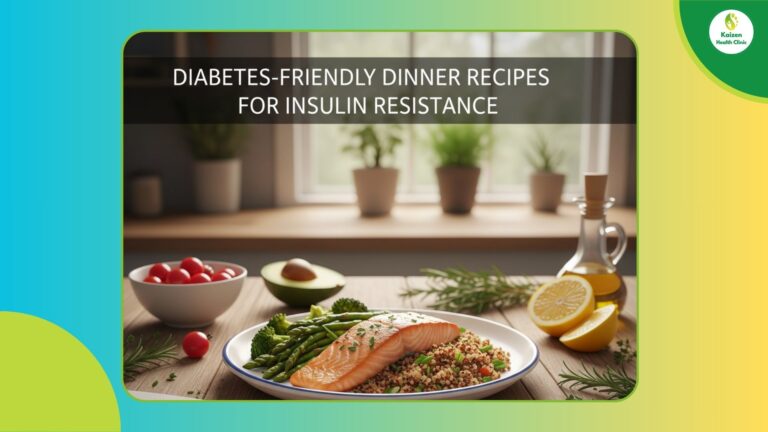
10 Best Diabetes-Friendly Dinner Recipes for Insulin Resistance (Delicious & Science-Backed) Introduction: Why Dinner Matters for Insulin Resistance Dinner makes or breaks insulin resistance. Late-night carb-heavy meals → morning sugar spikesProtein-rich, fiber-heavy dinners → better fasting levels + weight loss This blog gives you 10 diabetes-friendly dinner recipes for insulin resistance, with full instructions, ingredients, timings, and science. Table of Contents Nutrition Rules for Diabetes-Friendly Dinner Recipes for Insulin Resistance 10 Full Diabetes-Friendly Dinner Recipes for Insulin Resistance 1. High-Protein Moong Dal Chilla Wrap With Paneer Filling Why this works: Low GI, high protein, slow carbs → perfect for insulin-resistant individuals. Ingredients (Makes 3 wraps) For Chilla Batter: For Paneer Filling: For cooking: Step-by-Step Preparation 1. Make the batter 2. Prepare the filling 3. Make the chilla 4. Assemble the wrap 2. Lemon-Garlic Baked Fish With Steamed Vegetables Why this works: Omega-3 improves insulin sensitivity and reduces inflammation. Ingredients For fish: For veggies: Step-by-Step Preparation 1. Marinate fish 2. Bake 3. Steam vegetables 4. Serve hot 3. Chickpea–Quinoa Buddha Bowl Why this works: High fiber + complete protein keeps sugar stable overnight. Ingredients Step-by-Step Preparation 4. Low-Carb Palak Chicken Why this works: Low-carb + iron-rich spinach boosts insulin sensitivity. Ingredients Step-by-Step Preparation 1. Make spinach puree 2. Cook chicken 5. High-Fiber Oats Vegetable Khichdi Ingredients Step-by-Step Preparation 6. Stir-Fry Tofu with Capsicum & Sesame Ingredients Step-by-Step Preparation 7. Masoor Dal Lemon Soup Ingredients Step-by-Step Preparation 8. Zucchini Noodles With Paneer Tomato Sauce Ingredients Step-by-Step Preparation 9. Cauliflower Rice with Egg …
Why Winter Increases Insulin Resistance:The Hidden Metabolic Triggers You’re Ignoring Every year, millions of diabetics see a mysterious rise in their blood sugar between November and February — even if their diet hasn’t changed. If you’ve ever wondered “Why are my fasting sugars higher in winter?”the answer is surprisingly simple: 👉 Winter increases insulin resistance. And it does so through powerful biological and behavioral triggers most people are NOT tracking. Let’s break down the science behind this seasonal spike and how you can protect your metabolism during the colder months. Table of Contents 1. How Winter Impacts Your Body’s Metabolism Winter isn’t just a season — it’s a complete metabolic challenge.Cold weather alters: All of these affect insulin sensitivity directly. This is why even well-controlled diabetics notice higher fasting and post-meal sugars in winter. 2. Lower Physical Activity = Higher Insulin Resistance Focus Keyword Usage: Winter Increases Insulin Resistance The most obvious reason why winter increases insulin resistance is decreased movement. In cold weather, people naturally avoid: Less movement = less glucose utilization.Muscles become “lazy” and stop absorbing sugar efficiently. Just two weeks of reduced activity can increase insulin resistance by 15–25%. This means: 3. Reduced Brown Fat Activation During Cold Weather This is the least known but MOST powerful reason winter raises blood sugar. You have two types of fat: ❄️ Brown Fat (Good Fat) 🔥 White Fat (Storage Fat) Cold exposure activates brown fat, but modern lifestyles destroy this natural mechanism. What prevents brown fat activation: When brown …
Hidden Diabetes Triggers You’re Not Tracking:Light Exposure, Sleep Timing & Cortisol Patterns When people think about diabetes, they focus on food, sugar, and medications.But blood sugar is influenced by far more than what’s on your plate. The truth is:Most diabetics are struggling because they’re missing the invisible triggers — the ones that quietly sabotage blood sugar without showing up in traditional diabetes checklists. These are the Hidden Diabetes Triggers: These factors can spike blood glucose even if your diet is clean — because they impact hormones like insulin, cortisol, melatonin, ghrelin, leptin, and your body’s internal clock. Let’s break it down. Table of Contents 1. Light Exposure: The Hidden Hormone Disruptor This might surprise you: Light affects blood sugar almost as much as food does. Why? Because your body uses light to regulate: When your eyes sense light — especially blue light — your brain thinks: ➡ “It’s daytime. Stay alert. Release cortisol.” Higher cortisol = higher blood sugar.This is why late-night screen use is directly linked to insulin resistance. 2. Sleep Timing & Circadian Rhythm: The Diabetes Clock You Ignore Your circadian rhythm decides: Here’s the big truth: Eating the same meal at 10 PM causes DOUBLE the sugar spike compared to 6 PM. Not because the food changed.Because your circadian clock changed. Late nights = hormonal chaos.Hormonal chaos = high sugar. 3. Cortisol Patterns & Blood Sugar Spikes Most diabetics track food.Almost NO ONE tracks cortisol. But you should. Because cortisol: A chaotic cortisol cycle means your blood …