
Everyone talks about heat.
Few talk about humidity.
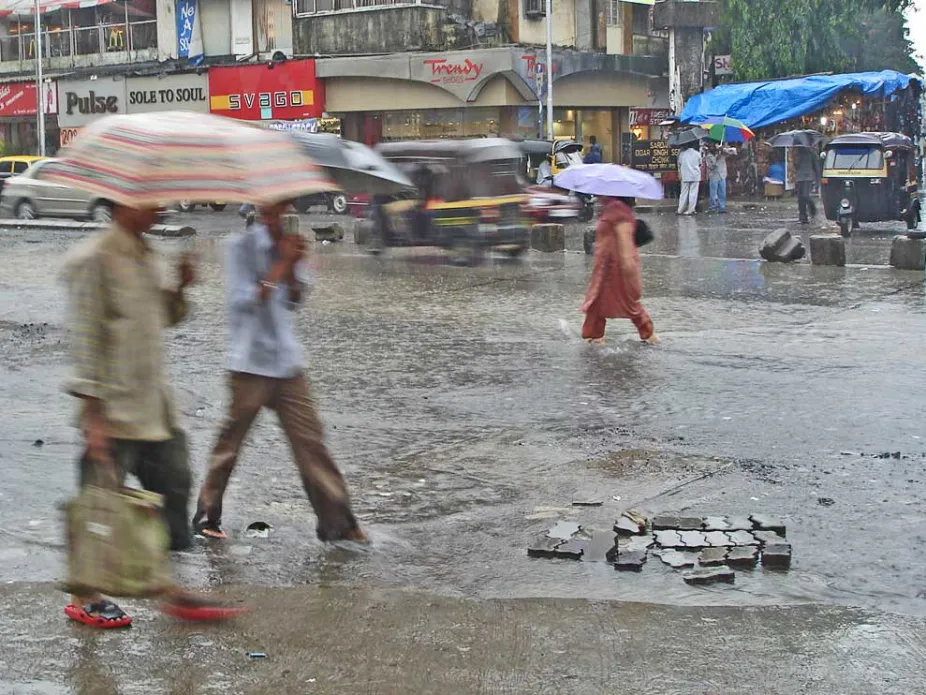
But if you live in monsoon climates or coastal cities, you’ve probably noticed:
That’s not coincidence.
Humidity changes how your body cools, circulates blood, and regulates glucose.
And if you have diabetes, that matters more than you think.
Heat alone isn’t the main problem.
Humidity blocks evaporation of sweat.
Sweat can’t cool you properly.
Your body stays in a mild stress state for longer.
Stress → cortisol → glucose release.
Even mild chronic environmental stress can push numbers up.
In humid weather:
You may not feel thirsty.
But fluid loss still happens.
Dehydration causes:
Many people think only dry heat dehydrates.
That’s wrong.
Humid heat dehydrates silently.
Humidity causes:
For diabetics with circulation issues, this can:
If your insulin seems “stronger” some days in humid weather — this may be why.
High moisture levels disturb:
Poor sleep increases:
One humid night can increase fasting glucose next morning.
And you blame dinner.
Wrong culprit.
High humidity increases risk of:
Infections raise blood sugar.
Even minor inflammation increases insulin resistance.
This is why monsoon season often correlates with unstable readings.
Humidity can affect:
Moisture contamination may distort readings.
If numbers look strange, check storage conditions first.
Humidity doesn’t just affect sweat.
It creates environmental discomfort.
Persistent discomfort = stress.
Even low-grade stress increases:
Not dramatically — but consistently.
Small daily elevations add up.
You may be humidity-sensitive if:
Patterns matter more than single readings.
✔ Increase water intake proactively
✔ Use dehumidifiers indoors
✔ Keep insulin in dry, stable storage
✔ Check strips expiration + seal
✔ Improve bedroom airflow
✔ Wash and dry feet thoroughly
✔ Choose breathable clothing
✔ Add light indoor workouts
Don’t wait for readings to go bad.
Adjust before they spike.
Your metabolism is not isolated.
It responds to:
Modern diabetes advice ignores environmental physiology.
But smart management includes it.
Humidity isn’t just uncomfortable.
For diabetics, it can:
If your sugars behave strangely during monsoon season — don’t just blame food.
Look at the air.