



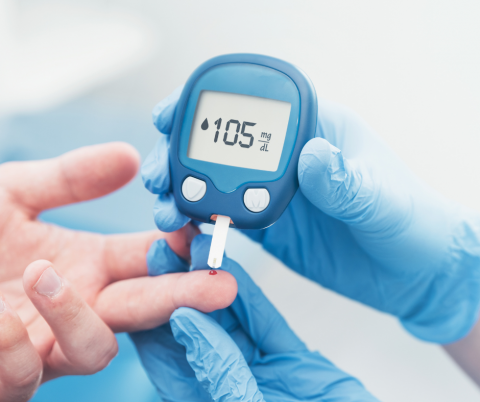






Diabetes education and management are essential for controlling blood sugar levels and preventing complications associated with the condition. Understanding the impact of dietary choices on blood glucose is a fundamental aspect of diabetes management. A well-balanced diet that emphasizes low glycemic index foods, such as whole grains, non-starchy vegetables, and lean proteins, can help regulate blood sugar levels effectively. Monitoring carbohydrate intake and understanding how different foods affect glucose levels empower individuals with diabetes to make informed dietary choices, aiding in better blood sugar control and overall health.

In addition to diet, regular physical activity plays a crucial role in managing diabetes. Exercise helps increase insulin sensitivity, which can lead to more stable blood sugar levels. Combining aerobic activities, such as walking or cycling, with resistance training can further enhance glycemic control and support overall metabolic health.

Success Stories & Testimonials

“My sugar levels were fluctuating badly even after medication. After starting treatment here, the focus was on long-term control, not just reports. Within months, my fasting and post-meal readings became more stable. This gave me confidence that reversal is possible with discipline.”

“I didn’t expect overnight results and that’s exactly what was explained to me. Along with medicines, lifestyle and food habits were addressed properly. My HbA1c dropped gradually, and I now understand my body better instead of just depending on tablets.”

“What I appreciated was realistic guidance. No fear-based advice, no shortcuts. My insulin resistance improved and dosage reduced over time. This treatment requires commitment, but the results feel sustainable.”