
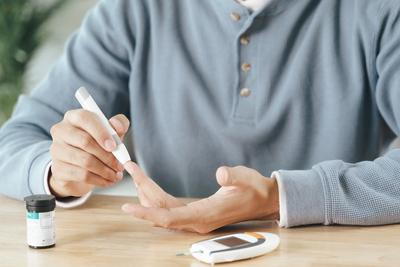

Diabetes Summer Survival is not just about drinking water.
Summer heat changes:
If your numbers behave differently in summer, you’re not imagining it.
Your metabolism reacts aggressively to heat.
Let’s break down why.
In hot weather:
Concentrated blood = higher glucose readings.
Even if you eat the same.
Worse:
High glucose causes more urination → more dehydration → even higher sugar.
This is a vicious loop.
Diabetes summer survival starts with proactive hydration.
Extreme heat activates stress hormones:
These hormones signal your liver to release glucose.
So even if you skip dessert…
Your body may spike sugar on its own.
Heat is a metabolic stressor.
Heat causes:
If you inject insulin:
It absorbs faster in summer.
That can lead to:
This is one of the most overlooked aspects of diabetes summer survival.
People often increase:
But heat + activity = double glucose drop risk.
Muscles pull glucose efficiently.
Add faster insulin absorption and dehydration.
You get sudden lows.
Plan summer workouts carefully.
Some people:
Others:
Liquid sugars are absorbed quickly.
Cold beverages often contain hidden carbs.
Hydration ≠ sugary drinks.
Insulin is temperature-sensitive.
Extreme heat can:
Never leave insulin:
Use cooling pouches when traveling.
Diabetes summer survival depends on medication stability.
Heat exhaustion symptoms:
High blood sugar symptoms:
They overlap.
Always check glucose instead of guessing.
Sweating removes:
Electrolyte imbalance can:
Water alone may not always be enough in extreme heat.
Consult a healthcare professional before adding supplements.
Hot nights reduce:
Poor sleep increases:
One bad night can increase fasting sugar next morning.
You blame dinner.
It was temperature.
✔ Drink water before thirst
✔ Avoid peak sun hours (11am–4pm)
✔ Monitor glucose more frequently
✔ Adjust exercise timing to early morning
✔ Store insulin safely
✔ Avoid sugary cold beverages
✔ Wear breathable clothing
✔ Improve bedroom cooling
Small adjustments prevent big spikes.
Your metabolism is not static.
It responds to:
Summer amplifies small mistakes.
That’s why some patients see perfect control in winter and chaos in June.
It’s not random.
It’s biological.
Diabetes summer survival requires awareness, not panic.
Heat can:
If your readings fluctuate in summer, don’t just adjust food.
Adjust environment.
Because temperature is part of your treatment plan — whether you acknowledge it or not.