

Regular summer heat is one thing.
A heat wave is different.
During heat waves, blood sugar instability becomes more common — and sometimes dangerous.
If your readings suddenly become unpredictable during extreme temperature spikes, this isn’t coincidence.
It’s biology.
Heat waves increase:
When plasma volume drops, glucose becomes more concentrated.
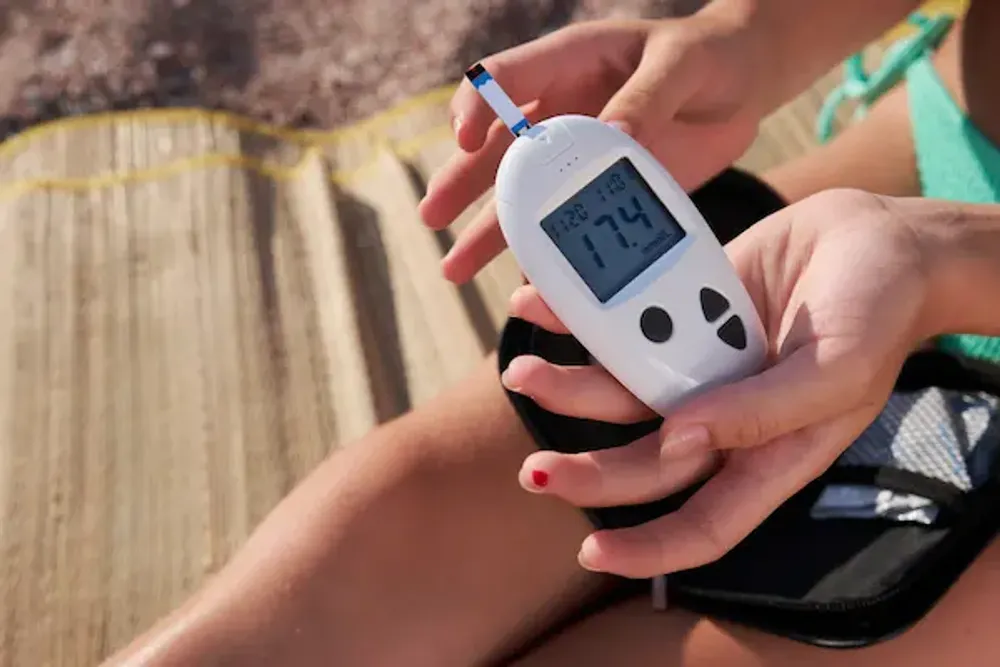
The meter shows higher numbers even if food intake hasn’t changed.
Severe dehydration can also reduce kidney glucose clearance — worsening hyperglycemia.
Your body sees extreme heat as stress.
Stress activates:
These hormones tell your liver to release stored glucose.
That means higher blood sugar — even without extra carbs.
Heat is a metabolic stressor, not just discomfort.
Heat increases skin blood flow.
Injected insulin may:
Or, if insulin has been exposed to high temperatures, it may lose potency — leading to unexplained highs.
Both can happen in the same week.
Heavy sweating removes:
Low electrolytes can cause:
Some people mistake heat fatigue for low sugar and overcorrect with carbs.
That creates spikes.
During heat waves:
Skipping meals can destabilize medication timing.
Sugary beverages cause rapid glucose spikes.
Both patterns disrupt control.
Extreme heat at night reduces:
Poor sleep increases:
One bad hot night can affect next-day readings significantly.
Heat waves decrease:
Less muscle movement = less glucose uptake.
Insulin resistance increases subtly within days of reduced activity.
Heat exhaustion symptoms:
Hyperglycemia symptoms:
They overlap.
Never assume. Always check glucose.
Heat + sweat can cause:
Infections increase inflammation.
Inflammation raises blood sugar.
Even minor skin infections can destabilize readings.
During heat waves:
This is why heat waves are considered higher-risk periods for diabetics.
✔ Drink water consistently — not only when thirsty
✔ Monitor blood sugar more frequently
✔ Store insulin properly (avoid heat exposure)
✔ Limit outdoor activity during peak hours
✔ Eat light, balanced meals
✔ Maintain indoor movement
✔ Cool your sleeping environment
✔ Check feet daily
Heat waves require proactive management — not reactive panic.
Seek immediate medical care if you experience:
Extreme heat + uncontrolled diabetes is a dangerous combination.
Heat waves and diabetes don’t mix casually.
Extreme summer temperatures can:
If your numbers worsen during extreme heat, don’t immediately blame food.
Look at the weather.
Because in peak summer, temperature becomes part of your treatment plan.
If you want another high-impact topic, we can build:
Choose one — we’ll go deeper.